
When Is Spider Season in Las Vegas?
Serving Las Vegas | Henderson | North Las Vegas
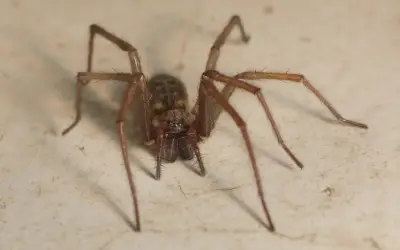 If you’ve started noticing more spider webs around your home, you’re not alone. Late summer and early fall are considered spider season in Las Vegas, when spiders are highly active and spotted frequently. During this time, adult spiders are looking for mates, which means you’ll often spot them indoors or around your property, weaving webs in windows, corners, garages, and sheds.
Why is it important to understand spider seasonality in Nevada? This way, you’ll know how to tell the difference between seasonal fluctuations in spider population versus an actual infestation. And while many local spiders are harmless, Las Vegas is also home to venomous species like black widows and desert recluse spiders, which can pose health risks if left unchecked.
Why Do You See More Spiders in the Summer and Fall?
As temperatures rise, insect activity increases, and that means more food for spiders. By summer, these pests have plenty to eat, helping them grow and reproduce. Come fall, mating season begins, and that’s when you may notice webs multiplying around your property.
Spiders typically seek out quiet, protected areas to catch prey and lay eggs, such as:
- Eaves and roof overhangs
- Attics and basements
- Garages and sheds
- Corners of windows or door frames
- Behind furniture or storage boxes
If you’re seeing an unusual number of webs or larger spiders near your home, it could be a sign of a growing infestation or nearby egg sacs getting ready to hatch.
Ready to Schedule your Free Spider Control Estimate?
We’ll call you right back, in 30 minutes or less. Just fill in your info below!
Why Are Spider Webs Suddenly Everywhere?
As fall approaches, you may notice an increase in webs around your home, along fences, eaves, porch lights, and window frames. Several natural behaviors explain this phenomenon:
- Mating and dispersal: Newly mature spiders that were hatched earlier in the year spin new webs to hunt and reproduce.
- Ideal conditions: Cooler, more humid air gives spiders the right environment to spin silk and hunt more efficiently.
- Increased insect activity: Many insects remain active in early fall, providing plenty of prey, so spiders build more webs to take advantage of the opportunity.
- Relocation indoors: Some spiders drift inside seeking shelter as outdoor conditions get colder, leaving webs behind in crawlspaces, attics, or corners.
If webs seem to appear overnight and multiply rapidly, it may also signal nearby egg sacs that are about to hatch. That surge in spider activity is often a warning sign of a bigger infestation.
Where Do Spiders Go in the Winter?
When temperatures cool down, you might assume spiders disappear, but they don’t go far. Many spiders move indoors during the winter, seeking warmth and shelter. You’ll often find them hiding in cracks, behind furniture, or in dark storage spaces. Some species, like the desert recluse, prefer dry, undisturbed areas such as closets, attics, or under baseboards.
Other species enter a dormant state outdoors, surviving cold weather under debris, rocks, or leaf litter until spring returns. This cycle of seeking warmth and shelter explains why homeowners often notice spiders during colder months, even when other pests are less active. To prevent spiders from living in your home through the winter, make sure you don’t have any other pests for them to feast on around.
When Are Dangerous Spiders Most Active?
Black widows are most active from late spring through early fall, especially around outdoor areas such as woodpiles, patio furniture, and garages. Desert recluses, another venomous species common in the Las Vegas area, tend to hide in dark, quiet spaces indoors and may remain active year-round.
Because of their reclusive nature, bites often occur when people accidentally disturb them. If you suspect dangerous spiders are nesting around your property, it’s best to schedule an inspection with a professional spider exterminator to prevent accidental contact.
How to Minimize Spider Activity Around Your Home
You can help reduce spider activity and make your property less inviting by taking a few preventive steps:
- Keep your home clutter-free and vacuum regularly, especially corners and ceilings.
- Store firewood and outdoor debris away from your home’s foundation.
- Seal cracks and gaps around windows, doors, and vents.
- Turn off outdoor lights when not in use to reduce the insects that attract spiders.
- Schedule routine pest control treatments to manage both spiders and their prey.
Professional Spider Control Tailored to Each Season
Whether it’s spider season or the middle of winter, Pest Control Inc has the expertise to help keep your home or business protected. Our licensed technicians provide thorough inspections, identify entry points, and apply targeted treatments to eliminate existing infestations and prevent future ones.
If you’ve noticed more webs or spiders around your property, it’s time to take action before the problem grows.
Contact Pest Control Inc today to schedule your spider inspection and keep your home pest-free.